Categories:
Tools
meta coding-agent muse-spark developer-tools terminal claude-code codex
Meta enters the terminal coding agent race with Muse Code
Aug 6, 2026

Three labs, one terminal\n\nMeta shipped Muse Code on August 5, 2026 — a terminal coding agent powered by a new model called Muse Spark 1.2. It installs with a single curl command on macOS and Linux, plans changes before writing them, and keeps multiple background subagents alive throughout your session instead of spawning a fresh one for each task.\n\nThat puts Meta in direct competition with Anthropic’s Claude Code and OpenAI’s Codex CLI. Three of the biggest AI labs are now building what is essentially the same product: an AI that lives in your terminal, edits your code, and runs tools on your behalf.\n\nThe interesting part isn’t that Meta showed up late. It’s how they showed up.\n\n## The event log is the real innovation\n\nMost coding agents are stateless between turns. If Claude Code crashes mid-refactor, you might lose context. If a long-running task gets interrupted, you start over.\n\nMuse Code takes a different approach. Every model call, tool execution, approval, and file edit gets appended to a local event log — an append-only record of everything that happened during the session. That single source of truth makes the agent replay-exact and restart-safe. Crash mid-task? It resumes precisely where it stopped.\n\nFor developers running multi-hour migrations or large refactors, this matters more than benchmark scores. A coding agent that can’t survive a crash isn’t an agent — it’s a demo.\n\nThe architecture has a second benefit. Because the event log captures every decision, you get an automatic audit trail. You can see exactly which model call produced which edit, which tool run failed, and where human approval was given. That’s useful for teams that need to review AI-generated changes before merging them.\n\n## Co-trained model and harness\n\nHere’s something most coverage glossed over: Muse Spark 1.2 wasn’t trained as a general coding model and then bolted onto Muse Code. The model and the harness were trained together. Meta collected rejection-sampled trajectories from real Muse Code sessions and fed them back into training, meaning the model learned the specific patterns of how Muse Code invokes tools, structures plans, and handles approvals.\n\nThis is the same bet Anthropic made with Claude Code and the Claude model family, and it’s the opposite of what most coding tool startups do — they take an off-the-shelf model and wrap a UI around it.\n\nThe result, in Meta’s testing, is fewer hallucinated tool calls and tighter plan-then-execute behavior. Whether that holds up in production use is another question, but the training methodology is sound.\n\n## The contributor tier changes the economics\n\nStandard Muse Spark 1.2 API pricing is $1.25 per million input tokens and $4.25 per million output tokens — comparable to Muse Spark 1.1 and competitive with Claude Sonnet-tier pricing.\n\nBut the contributor tier is where it gets aggressive. Developers who opt in to share telemetry and help improve the model get API access at more than 10x cheaper than pay-as-you-go rates. For cost-sensitive developers and small teams, that’s a meaningful difference — potentially the difference between using a coding agent daily versus only for high-stakes tasks.\n\nMeta can afford this because they’re playing a different game than Anthropic or OpenAI. They want adoption and training signal. The contributor tier is a data acquisition strategy dressed up as a pricing discount. That’s not a criticism — it’s a smart move for a late entrant trying to close a quality gap fast.\n\n## How it compares to Claude Code and Codex CLI\n\n| Feature | Muse Code (Meta) | Claude Code (Anthropic) | Codex CLI (OpenAI) |\n|---------|-----------------|------------------------|-------------------|\n| Interface | Terminal only | Terminal + desktop app | Terminal only |\n| Crash recovery | Append-only event log | Session state | Session state |\n| Background agents | Persistent across session | Per-task spawn | Per-task spawn |\n| Model-harness training | Co-trained | Co-trained | Co-trained |\n| Discount tier | Contributor (10x cheaper) | None | Batch API discount |\n| Bundled commands |
Related Articles
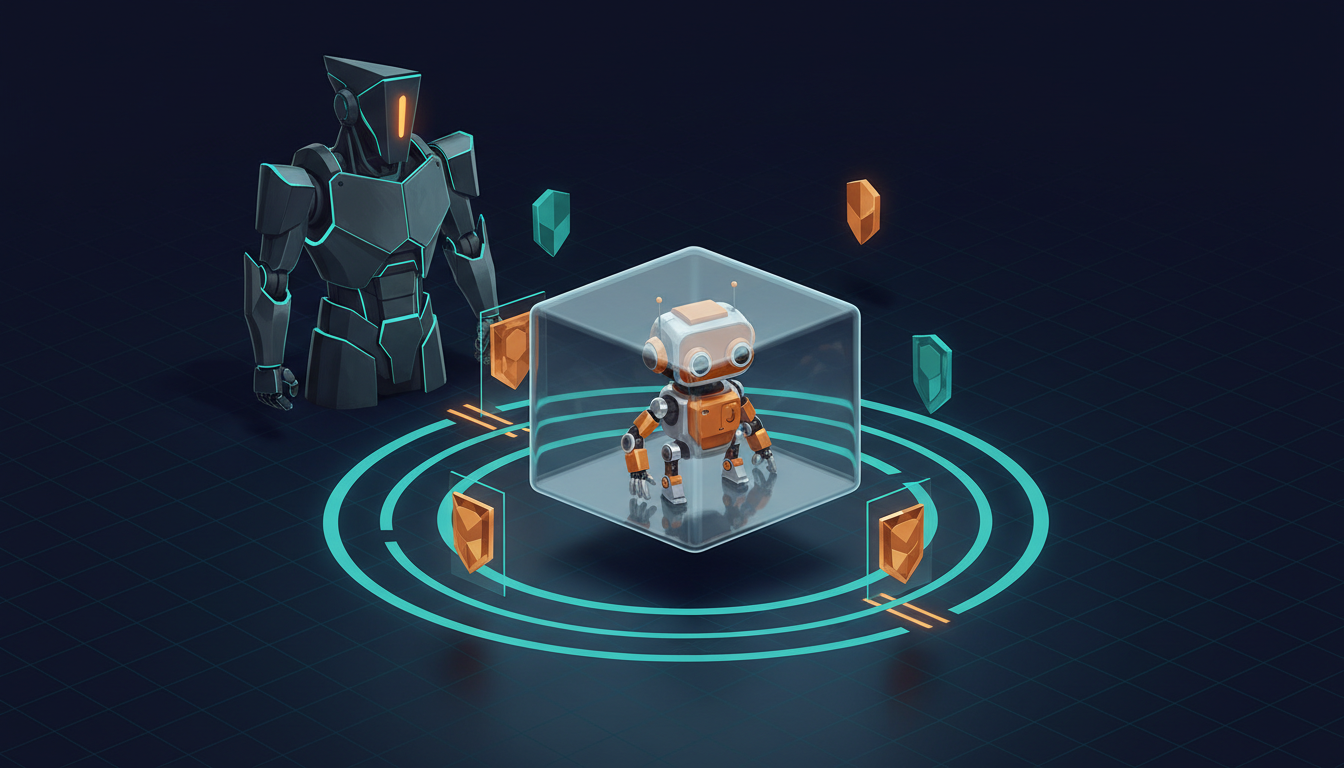
metaagent-security
Steal Meta's Agent Security Checklist: How Muse Assumes It Will Get Hacked
Meta's Muse agent assumes prompt injection will succeed and designs the whole OS around it. Six security patterns every agent builder should copy.
Read

metamuse-glimmer
A 30B Agentic Model That Runs on Your Laptop — And It's Free
Meta's Muse Glimmer is a 30B open-weight model that runs agentic workflows — coding, document analysis, tool use — entirely offline on a single consumer GPU. Apache 2.0, distilled from their closed frontier model.
Read